When the temperatures rise many of us turn the temperatures down on our air conditioners in order to beat the heat. However, this is exactly the wrong thing to do to keep your house cool during the summer…

When the temperatures rise many of us turn the temperatures down on our air conditioners in order to beat the heat. However, this is exactly the wrong thing to do to keep your house cool during the summer…
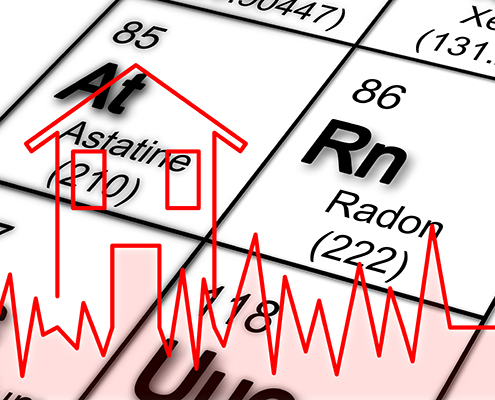
Radon testing in Colorado and the greater Denver Metro Area is an essential part of protecting your home and your health. Colorado consistently ranks among the states with the highest radon levels in the country, making radon testing a critical step for homeowners, buyers, and sellers alike. Because radon is invisible and odorless, the only way to know if a home has elevated radon levels is through professional testing.
Radon is a naturally occurring radioactive gas produced by the breakdown of uranium in soil and rock. It moves up through the ground and can enter homes through cracks in foundations, sump pits, crawlspaces, construction joints, and other openings. Once inside, radon can accumulate to dangerous levels—especially in basements and lower living areas. The rocks and soil beneath our homes contain traces of uranium. Over time, the uranium breaks down and forms other elements. This is called radioactive decay. Radon is one element in the decay chain of uranium. When radon gas decays, it emits radiation in the form of an alpha particle. Radon progeny can attach to dust and other particles and can be inhaled into the lungs. As radon and radon progeny in the air break down, they give off radiation that can damage the DNA inside the body’s cells, says cancer.org.
Because radon cannot be seen, smelled, or tasted, many homeowners are unaware it is present until a test is performed.
Radon exposure is the second leading cause of lung cancer in the United States, and the leading cause among non-smokers, according to the EPA. Radon is responsible for an estimated 21,000 lung cancer deaths each year in the United States, according to the EPA. Long-term exposure to elevated radon levels significantly increases the risk of lung cancer and other serious health conditions.
Radon is also linked to other radiation-related diseases. For more information on cancers associated with environmental exposure, including mesothelioma, visit:
https://www.mesothelioma.com
Colorado’s geology contains high concentrations of uranium, which increases the likelihood of elevated indoor radon levels. In fact, many counties in Colorado are classified by the EPA as Zone 1, meaning homes are predicted to have radon levels above the EPA action level of 4.0 pCi/L.
Key reasons to test for radon in Colorado include:
Radon levels can vary widely from home to home—even on the same street
Newer homes can have high radon levels due to tighter construction
Remodeling, additions, or foundation changes can alter radon levels
Radon levels change over time and should be retested periodically
Radon testing provides peace of mind and helps protect occupants from long-term health risks. For real estate transactions, radon testing allows buyers and sellers to make informed decisions and address concerns before closing.
Benefits of radon testing include:
Identifying elevated radon levels before they become a health risk
Protecting your family and future occupants
Supporting informed negotiations during a home sale
Verifying the effectiveness of existing radon mitigation systems
Meeting due diligence expectations in Colorado real estate transactions
If elevated radon levels are found, mitigation systems are proven to be effective and can significantly reduce radon concentrations in a home.
Radon can affect any type of home, regardless of foundation design or construction style. Homes with basements, crawlspaces, and slab-on-grade foundations in Denver have all been found to contain elevated radon levels. Even newer, well-sealed homes can trap radon more effectively due to modern energy-efficient construction. Because radon enters from the soil beneath a structure and moves unpredictably, there is no way to determine radon risk based on a home’s age, size, or foundation type alone. The only reliable way to know a home’s radon level is through professional testing.
The U.S. Environmental Protection Agency (EPA) recommends that homes without a radon mitigation system be tested at least every two years, and anytime there is a significant change to the home, such as remodeling, foundation work, or changes to heating and ventilation systems. For homes with an active radon mitigation system, the EPA recommends testing every two years as well to verify that the system is continuing to operate effectively. Radon levels can change over time due to soil conditions, system performance, or home modifications, and mitigation systems are mechanical in nature and can fail or lose efficiency. Regular testing is the only way to confirm that radon levels remain below the EPA action level and that occupants are adequately protected.
Colorado implemented new radon testing licensing requirements effective July 1, 2022, requiring individuals who perform radon measurement services to be state licensed and properly certified. Homeowners are encouraged to always ask their inspector to provide proof of current Colorado radon licensure and NRPP certification before testing is performed. Unfortunately, there are still inspectors operating in Colorado who are not licensed or certified and are illegally conducting radon tests, which can result in unreliable results and noncompliance with state regulations. Verifying credentials helps ensure your radon test is performed legally, accurately, and in accordance with state and EPA standards.
Radon is a serious but manageable risk. Testing is affordable, non-invasive, and one of the most important steps you can take to protect your home’s indoor air quality. If you own, are buying, or are selling a home in Colorado, radon testing should be considered a standard part of the inspection process.
If you are buying, selling, or currently living in a home in the Denver area, now is the time to take action. Aspen Ridge Inspection Services provides professional, NRPP-certified radon testing performed in accordance with EPA and Colorado guidelines. Our testing process is accurate, reliable, and designed to give you clear results you can trust. We use professional electronic continuous radon monitors that are calibrated annually and record hourly readings which ensures accurate results.
Protect your health, meet real estate due diligence expectations, and gain peace of mind—schedule your radon test with Aspen Ridge Inspection Services today by using our online scheduling tool or contacting us directly at 720-614-2626.

Aspen Ridge Inspection Services provides home inspection services for the Mile High City area including: Denver County, Boulder County, Arapahoe County, Jefferson County, Douglas County, El Paso County, Adams County, Broomfield County, and Elbert County, Colorado.